(A)
How does a systemic coaching session with horses work?
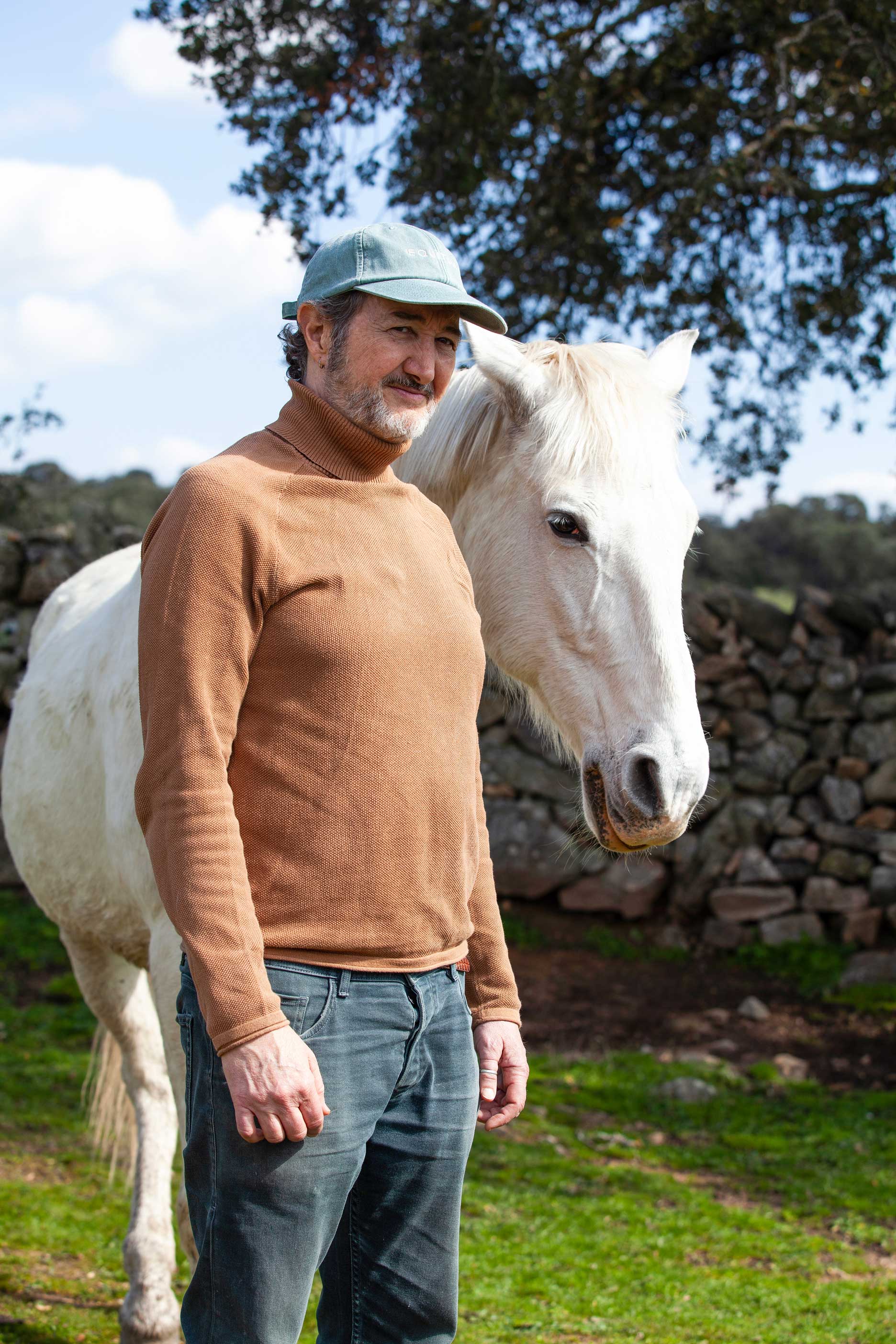
Observation of systemic patterns and dynamics within the organization
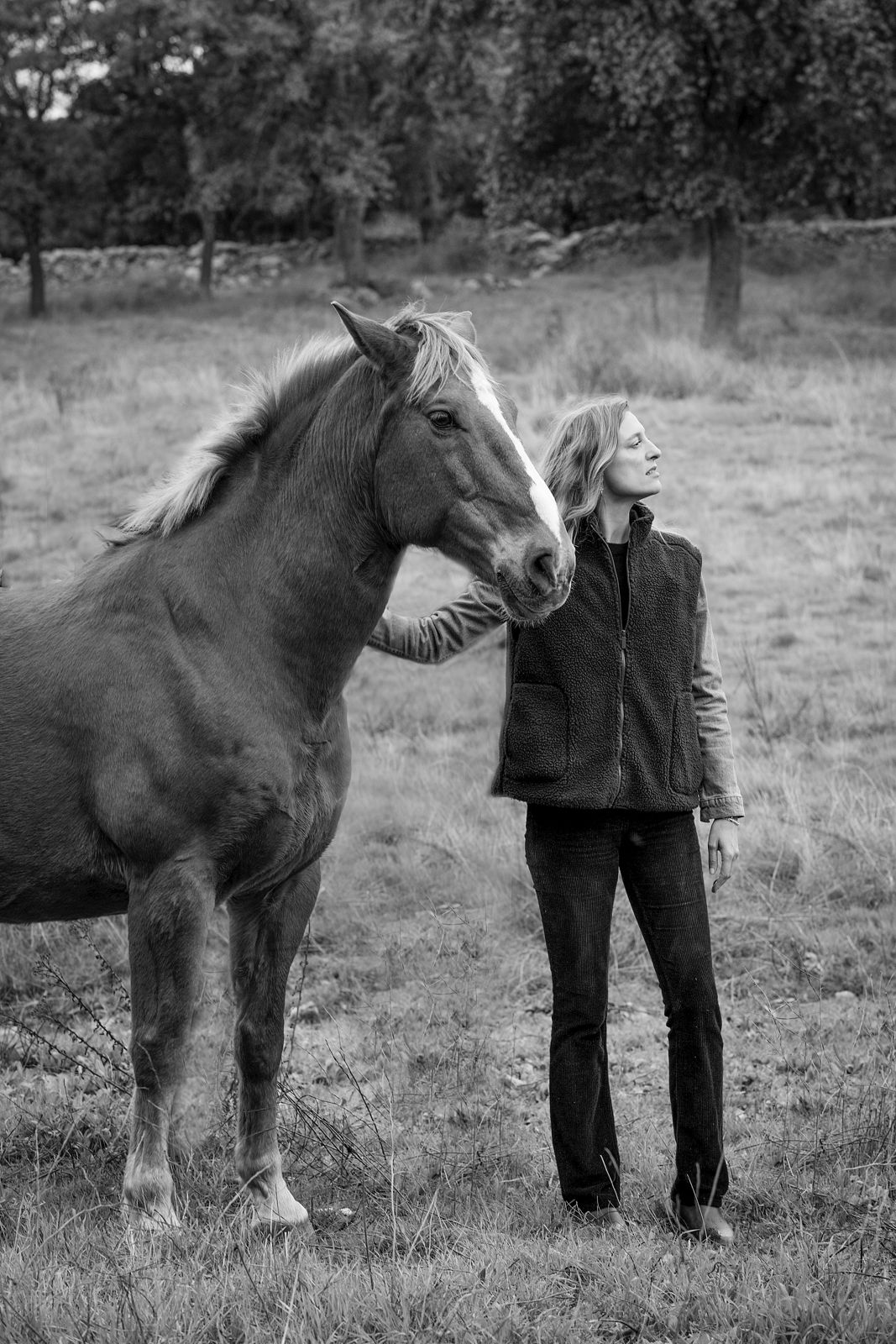
Experiential work with the herd to reveal tensions, blockages, and opportunities for improvement
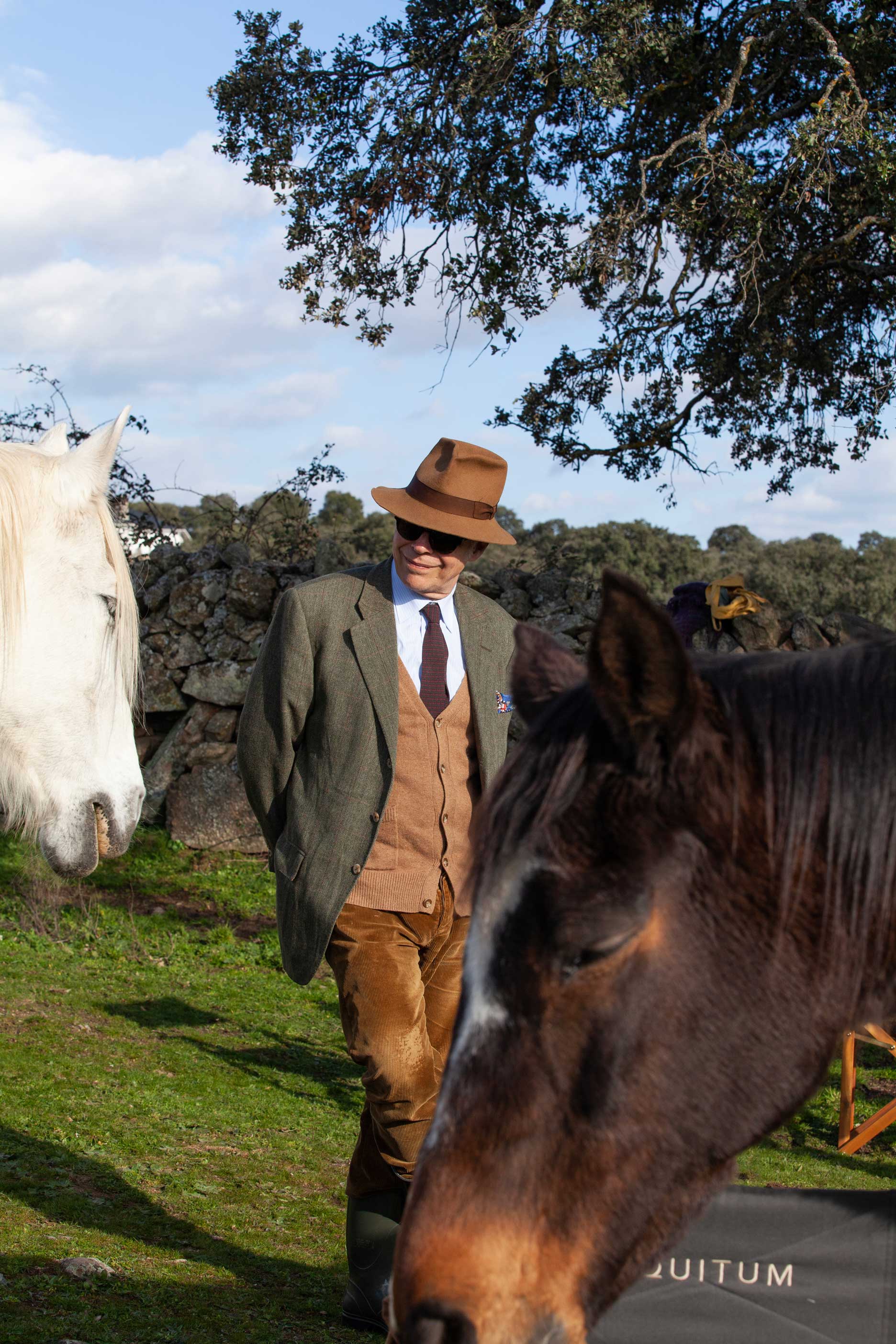
Exploration and integration processes that allow transferring learnings to the workplace reality
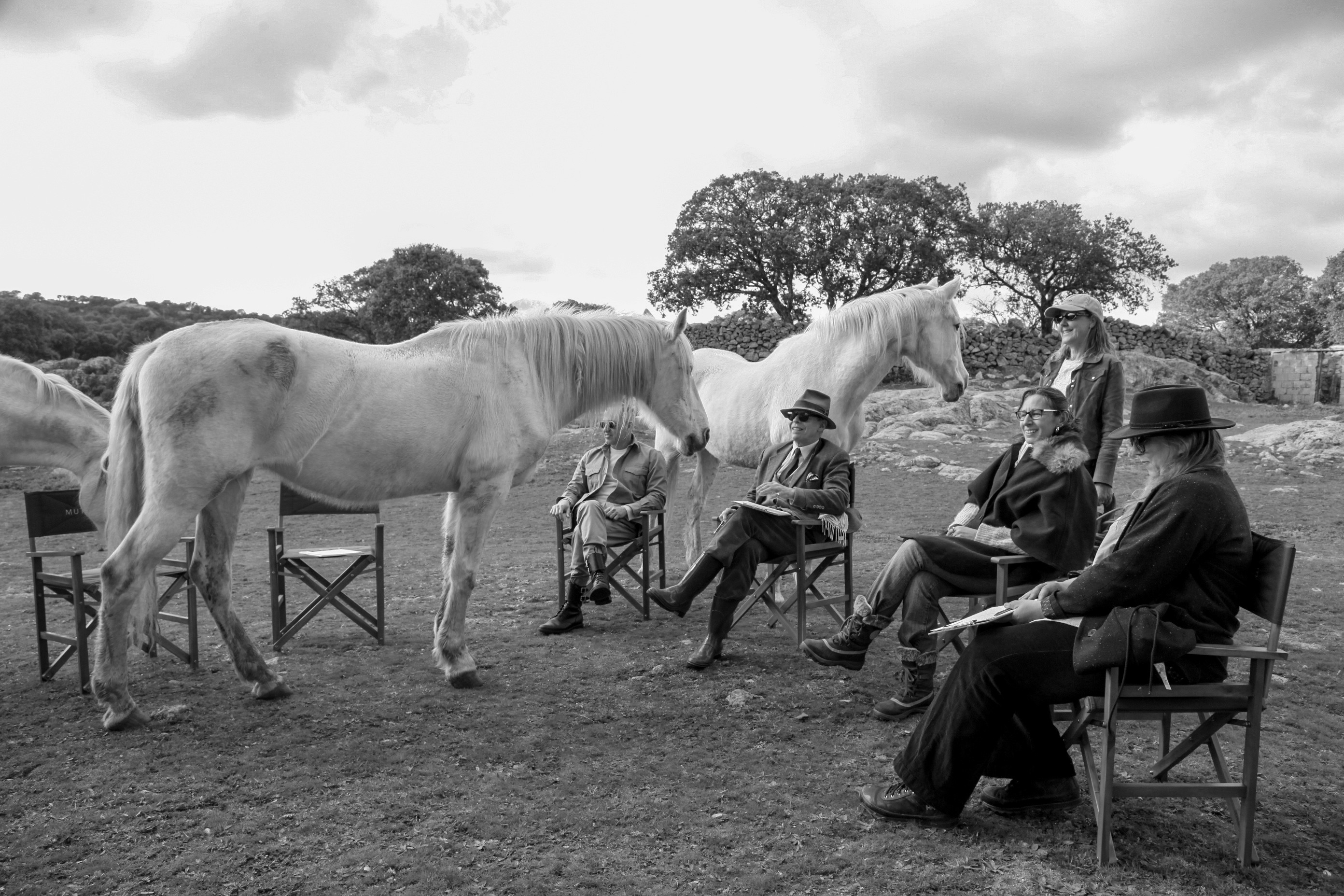
Systemic coaching assisted by horses is a methodology for supporting leaders, teams and organizations, in which interaction with a herd of horses is used to facilitate deep learning experiences. This page sets out how an EQUITUM session is organized: its three stages, the three modalities and how long each one lasts, where it takes place, who facilitates it, which diagnostic tools are incorporated and what can reasonably be expected from it.
At EQUITUM the work combines observation of systemic patterns and dynamics within the organization, experiential work with the herd, and exploration and integration processes that allow transferring learnings to the workplace reality.
The three stages of the work
The work unfolds in three stages. The first is observation of systemic patterns and dynamics within the organization. The second is experiential work with the herd, which serves to reveal tensions, blockages and opportunities for improvement. The third comprises exploration and integration processes that allow transferring learnings to the workplace reality.The work unfolds in three stages. The first is observation of systemic patterns and dynamics within the organization. The second is experiential work with the herd, which serves to reveal tensions, blockages and opportunities for improvement. The third comprises exploration and integration processes that allow transferring learnings to the workplace reality.
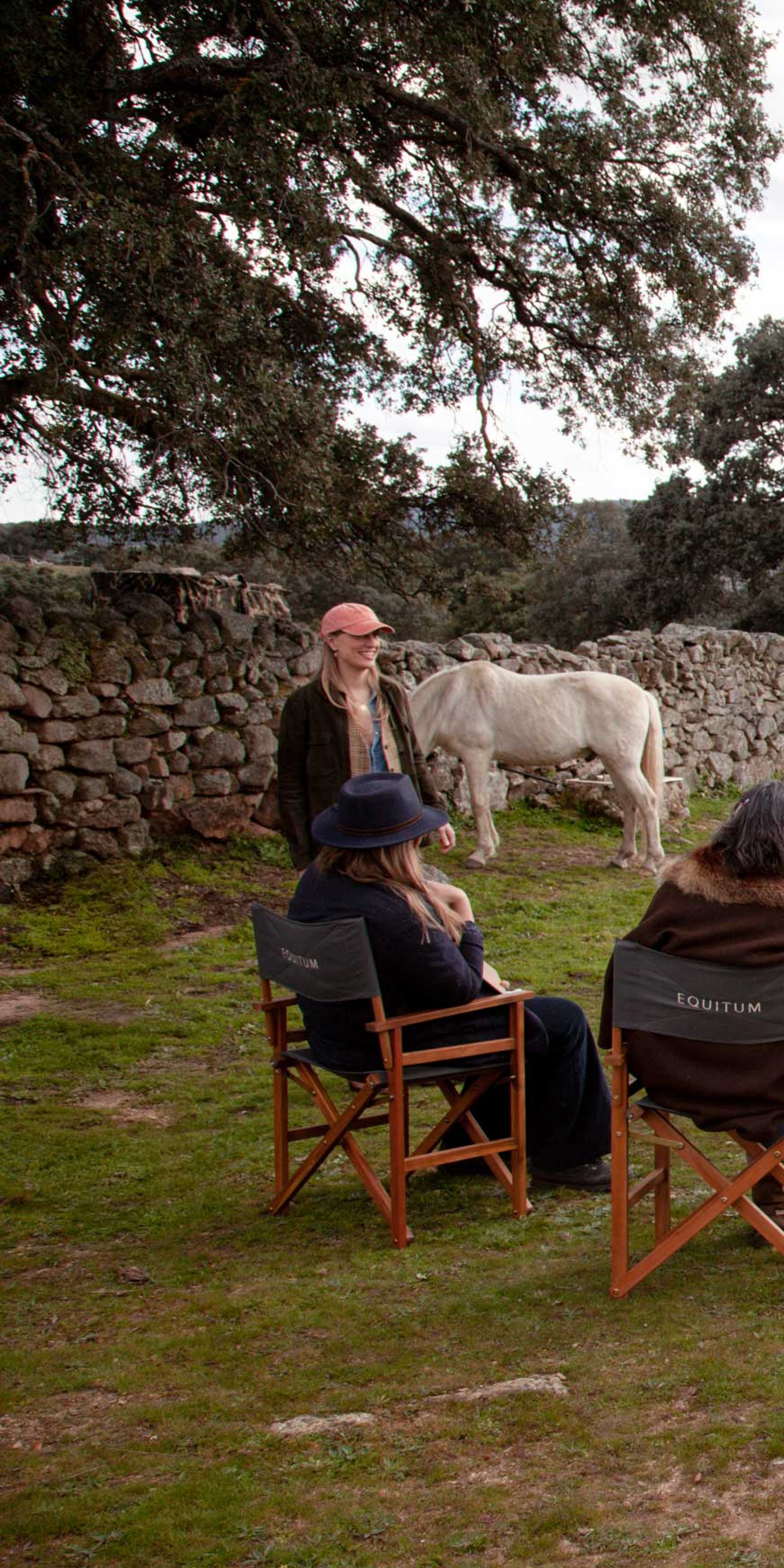
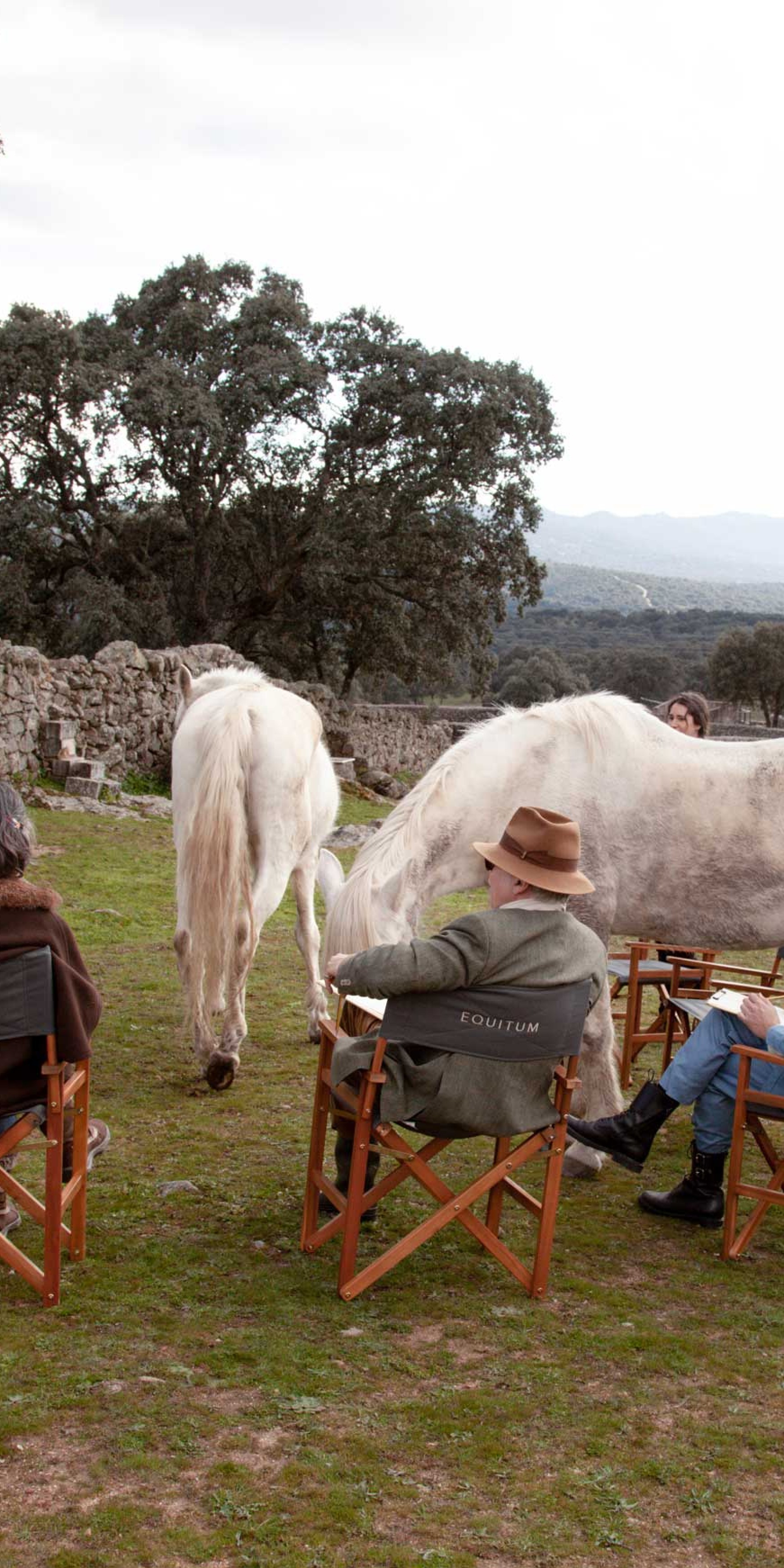
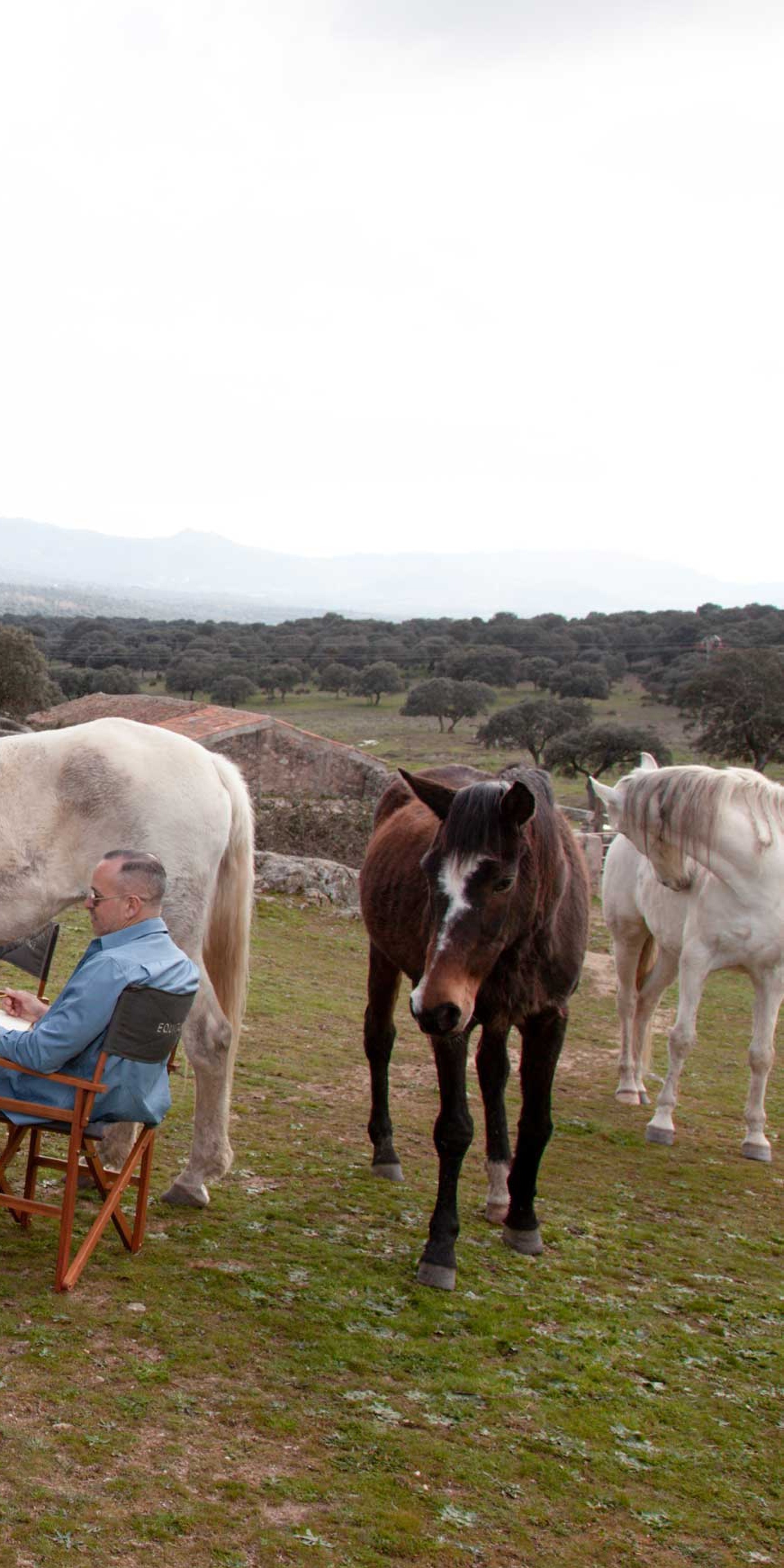
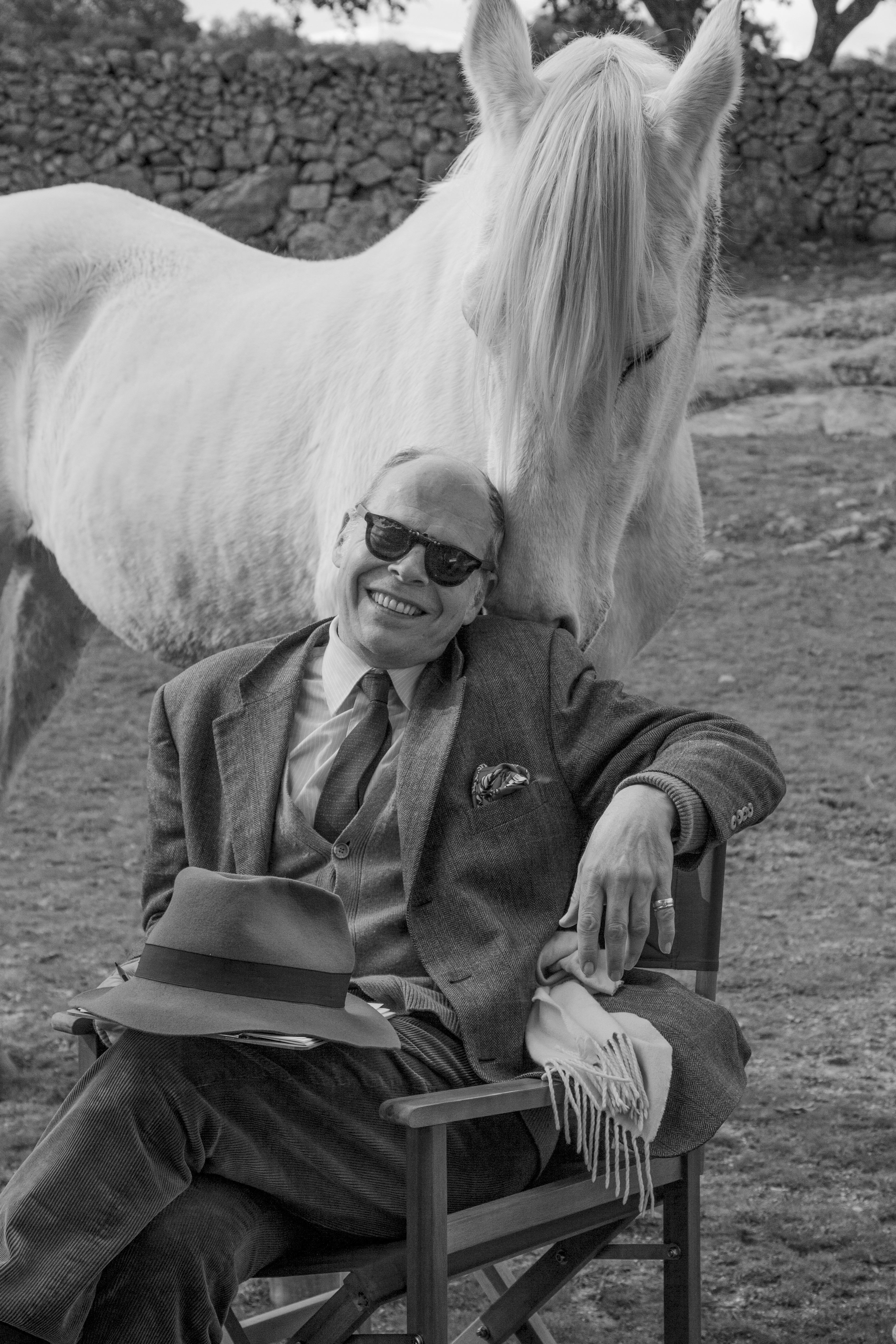
Horses, as highly sensitive beings, instantly reflect our intentions, emotions and behaviors, making visible what usually remains hidden within human systems and organizations. Their behavior within the herd offers a living metaphor about leadership, communication and collaboration in teams.
No prior experience with horses is required to take part in an EQUITUM session. The work is always carried out on foot: participants do not ride the horses. The methodology is based on interaction with and observation of the herd, so previous equestrian experience is not a requirement.
The three modalities, and how long each one lasts
EQUITUM offers three intervention modalities according to each organization’s needs. Individual sessions last one hour. Group sessions last four to eight hours and work with teams of up to fifteen people. Development programmes are ongoing interventions for follow-up and support.
The work can be set up individually, with a full team, or as an ongoing programme, according to each organization’s needs.
Where it takes place
Sessions take place in the natural setting where the herd lives in semi-freedom. EQUITUM collaborates with herds in Madrid, Barcelona, the Camargue, and Paris, and those herds belong to its collaborators. In Madrid, the estate is managed by its partner Tierra en Calma, 39 km from Madrid, where horses live in semi-freedom and in herds.
Who facilitates the sessions
EQUITUM presents Fiona Imbert Marchal and Juan Londoño on its About Us page. The credentials that follow belong to each of them personally, not to EQUITUM as an organization.
Fiona Imbert Marchal is a coach with ICF-certified training and a systemic facilitator in individual processes, with leaders and teams, trained in organizational configurations and systemic tools for companies. Juan Londoño is a systemic facilitator with over 300 organizational coaching sessions in more than 10 countries, a member of INFOSYON and Director of the Postgraduate Program in Systemic Coaching at the Center for Coaching Studies, with over 1,200 hours of experience in systemic work.
What EQUITUM accumulates as an organization is over 150 hours of systemic coaching assisted by horses with individual clients, teams, and leaders.
The work is facilitated in Spanish, English, French, and Portuguese.
The diagnostic tools
To enhance the impact of its interventions, EQUITUM incorporates diagnostic tools that provide a deep reading of the system. Depending on the case, diagnostic tools such as _SYST or the PDA are incorporated.To enhance the impact of its interventions, EQUITUM incorporates diagnostic tools that provide a deep reading of the system. Depending on the case, diagnostic tools such as _SYST or the PDA are incorporated.
_SYST is a method that analyzes the position of team members within the organizational system, enabling visualization of roles, tensions, and improvement opportunities. The _PDA, Personal Development Analysis, is a psychometric evaluation analyzing the behavioral profile of each person in the organization; it helps understand interactions and align leadership with organizational culture.
Which situations it is proposed for
It is aimed at leaders, teams and organizations going through change and organizational transformation. EQUITUM proposes it for situations that call for revealing tensions, blockages and opportunities for improvement within the system; clarifying the definition of roles and responsibilities; strengthening a team’s cohesion and effectiveness; improving communication and strengthening leadership; or resolving conflicts.
The _SYST diagnostic tool is used precisely to analyze the position of team members within the organizational system and to visualize roles, tensions and improvement opportunities.
What to expect
EQUITUM publishes three expected results of its interventions: higher quality in defining roles and responsibilities; more cohesive and effective teams, with the creation of a harmonious and productive work environment; and natural and effective conflict resolution.
It is worth noting that EQUITUM presents these as expected benefits and results of a support process, not as guaranteed or quantified outcomes: their extent depends on each organization and on the type of intervention.
Sessions are requested from the contact and session requests page.Sessions are requested from the contact and session requests page.
(B)
DIAGNOSTIC TOOLS
To enhance the impact of our interventions, we incorporate diagnostic tools that provide a deep reading of the system.
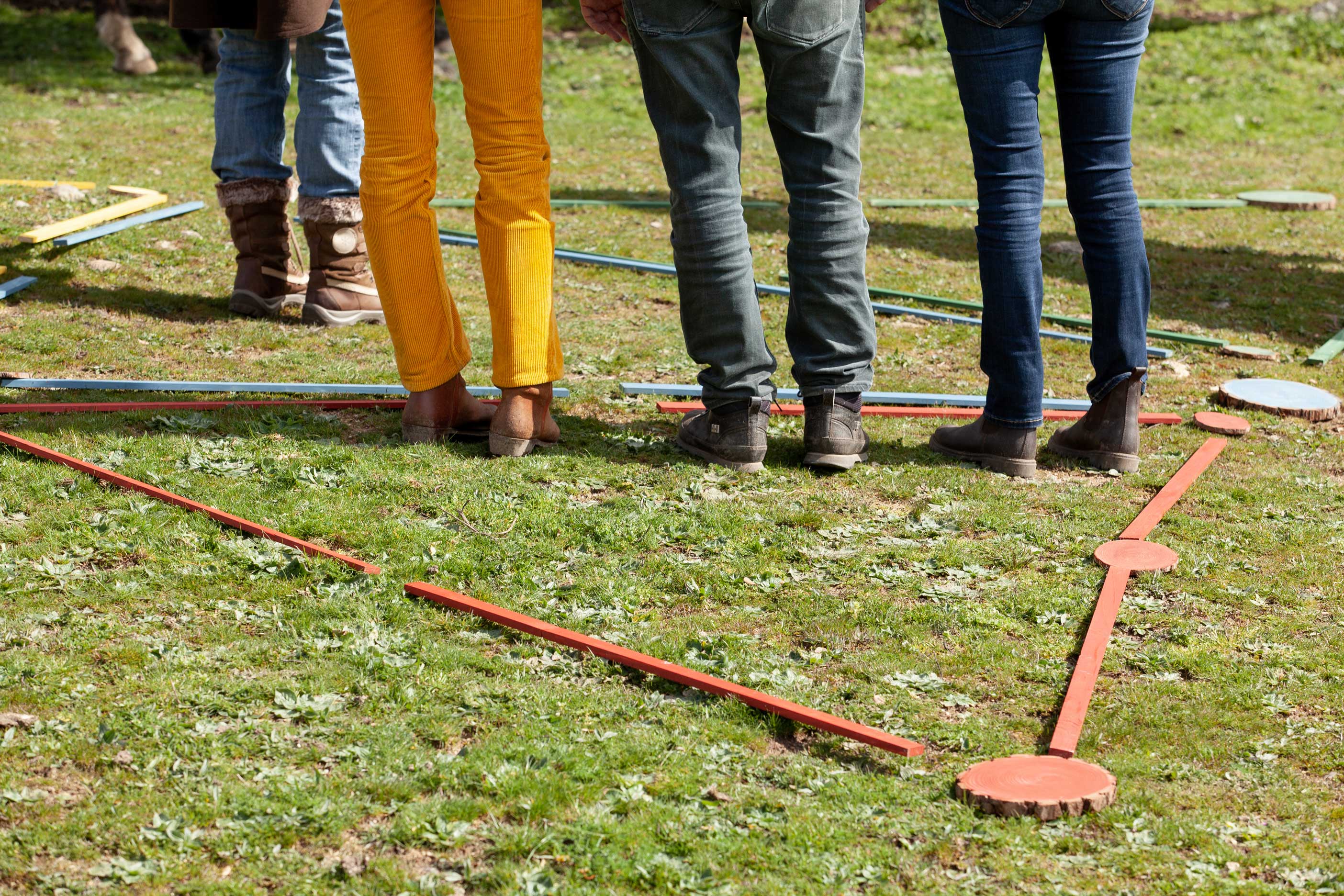
_SYST
A method that analyzes the position of team members within the organizational system, enabling visualization of roles, tensions, and improvement opportunities.

_PDA (PERSONAL DEVELOPMENT ANALYSIS)
A psychometric evaluation analyzing the behavioral profile of each person in the organization. It helps understand interactions and align leadership with organizational culture.
Ready for a change?
(D)
FORMAT OF INTERVENTIONS

We facilitate in Spanish, English, French, and Portuguese. We collaborate with herds in Madrid, Barcelona, the Camargue, and Paris.
Discover your blind spots
Contact us with your issue
Contact

We offer different intervention modalities according to each organization’s needs.
_INDIVIDUAL SESSIONS
_GROUP SESSIONS
4/8H
_DEVELOPMENT PROGRAMS